Comic Book Clique

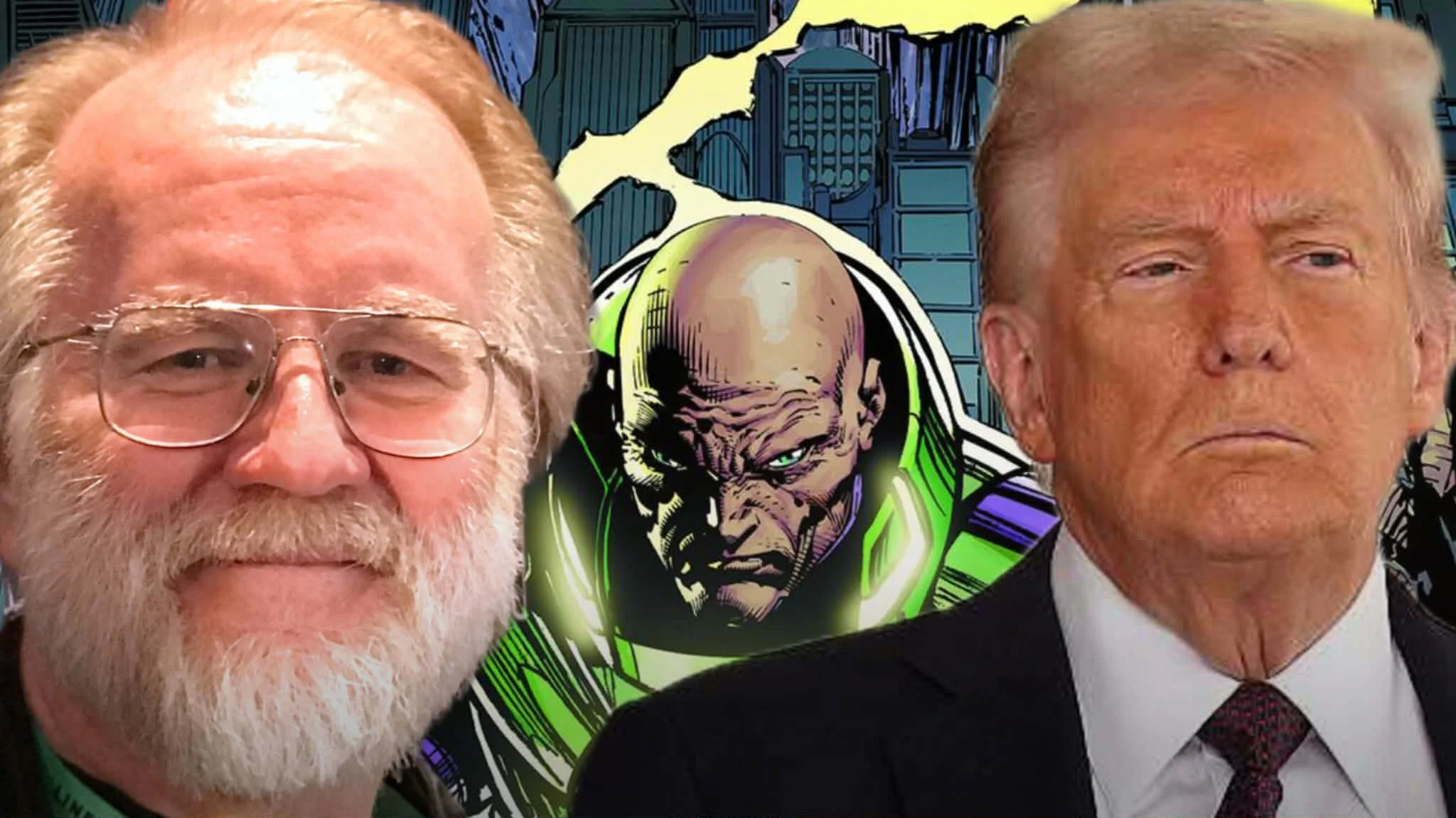
lex luthor

SPOILERS: Who Got the Goods? Check Out the World-Ending Weapons Claimed in DCKO!

George SerranoComment

The DC K.O. Tournament has just detonated! Sixteen of the multiverse's greatest heroes and most dangerous villains have survived the initial carnage, but the real spectacle began in the chaotic "Scramble Round" of DC K.O. #2. In that brutal free-for-all, these competitors didn't just win their bouts; they fought to claim legendary weapons, relics, and technologies from across the DC Multiverse. The tournament rules have forced them into dark territory, compelling them to fuse their unique fighting styles and moral codes with artifacts of unfathomable cosmic power. This isn't just a battle of strength, it's a test of whether these beings can control the raw power now coursing through their veins. Get ready to break down the most volatile and terrifying combinations in the bracket!


The Perfect Storm: Why These Items Are Deadly In These Hands

Red Hood & The Scarab

Jason Todd has bonded with a piece of alien technology so powerful, it threatens to turn the entire tournament into a military coup: the Scarab! This sentient, symbiotic battlesuit, known as Khaji Da, first appeared in its modern form in Infinite Crisis #3 (2006), courtesy of Geoff Johns, Phil Jimenez, and George Pérez. Historically, Red Hood has often used technology and firearms to level the playing field against meta-humans, often designing his own power-dampening suits or using Kryptonite-laced weapons. While previous Scarab wearers focused on defense, Red Hood's aggression turns this artifact into an unstoppable weapon platform. The Scarab can generate virtually any weapon he can imagine, but in Jason's hands, his lethal combat training and willingness to kill means the adaptable armor is now an instrument of total, military annihilation. He's no longer just a vigilante; he's an armored god of war.


Zatanna & The God Killer Sword

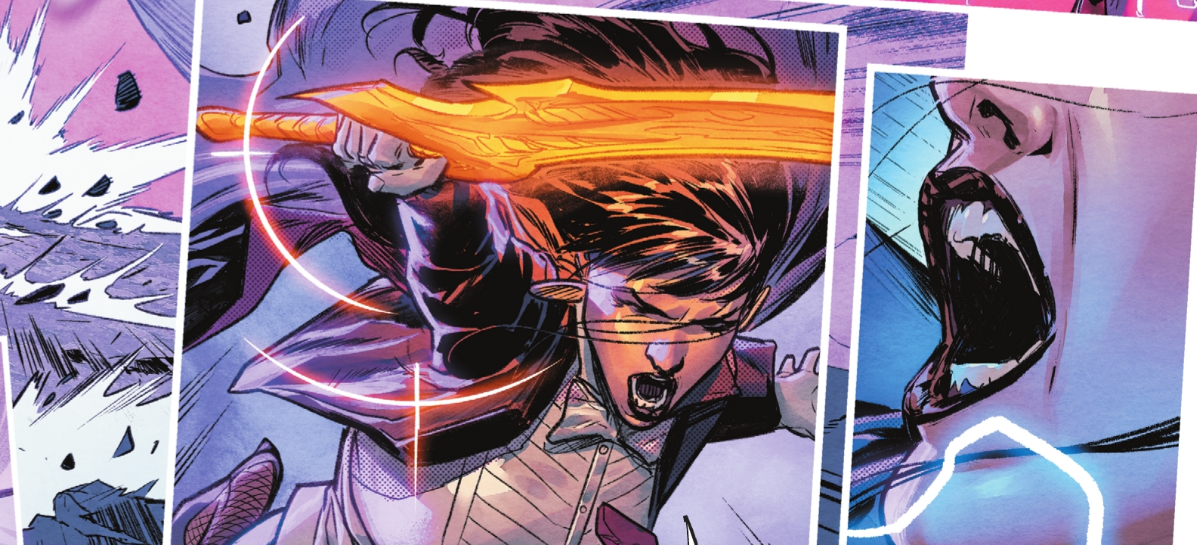
Magic meets mythic steel! Zatanna's greatest upgrade is the God Killer Sword, which first appeared in Wonder Woman #3 (2016) by Greg Rucka and Liam Sharp. This ancient Amazonian blade is capable of slicing through anything, even gods and powerful magical entities. Zatanna is DC's primary magical strategist, used to wielding powerful, often uncontrollable forces. However, her greatest weakness is often being silenced, cutting off her primary source of power. By acquiring a weapon capable of slaying deities that doesn't require a single spoken word, she has gained a physical, undeniable threat that complements her magical might.


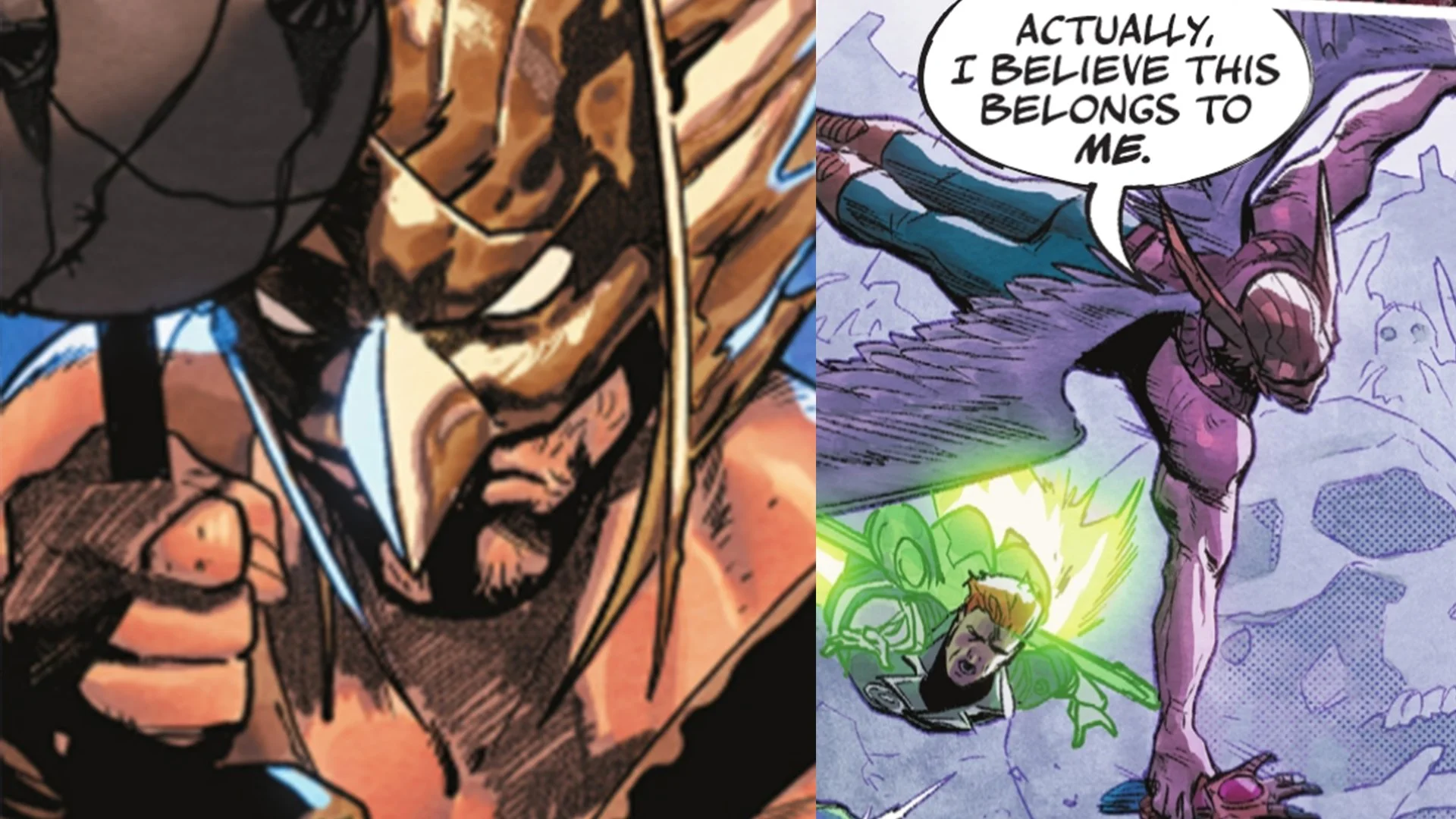
Guy Gardner & The Worlogog

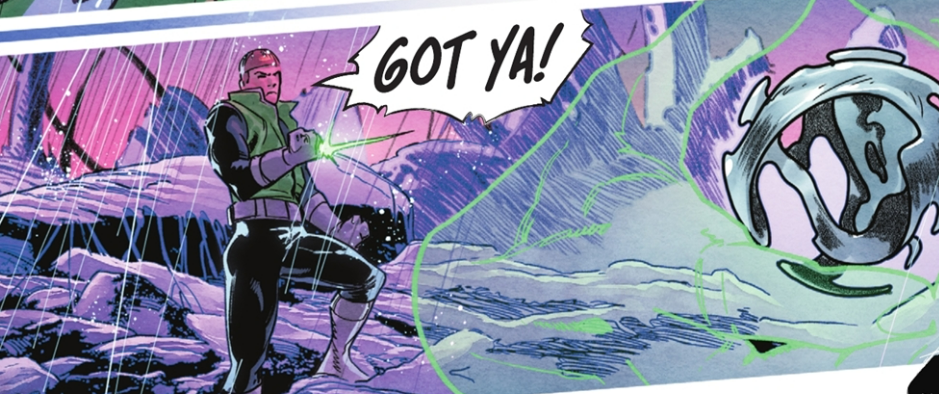
Guy Gardner is now the wielder of the Worlogog, an artifact that first appeared in Justice League #17 (1994) by Gerard Jones and Chuck Wojtkiewicz. This miniature model of the space-time continuum grants its holder near-omnipotence, allowing for manipulation of space, time, and reality on a cosmic scale. Guy has always been an explosive, unpredictable Green Lantern, often clashing with cosmic authority (even joining the Red Lantern Corps). Guy’s notoriously arrogant and aggressive temper, when coupled with an artifact capable of rewriting existence, means the entire flow of the tournament, and reality itself, is now subject to his legendary bad mood and lack of patience.


Joker & Atom's Belt

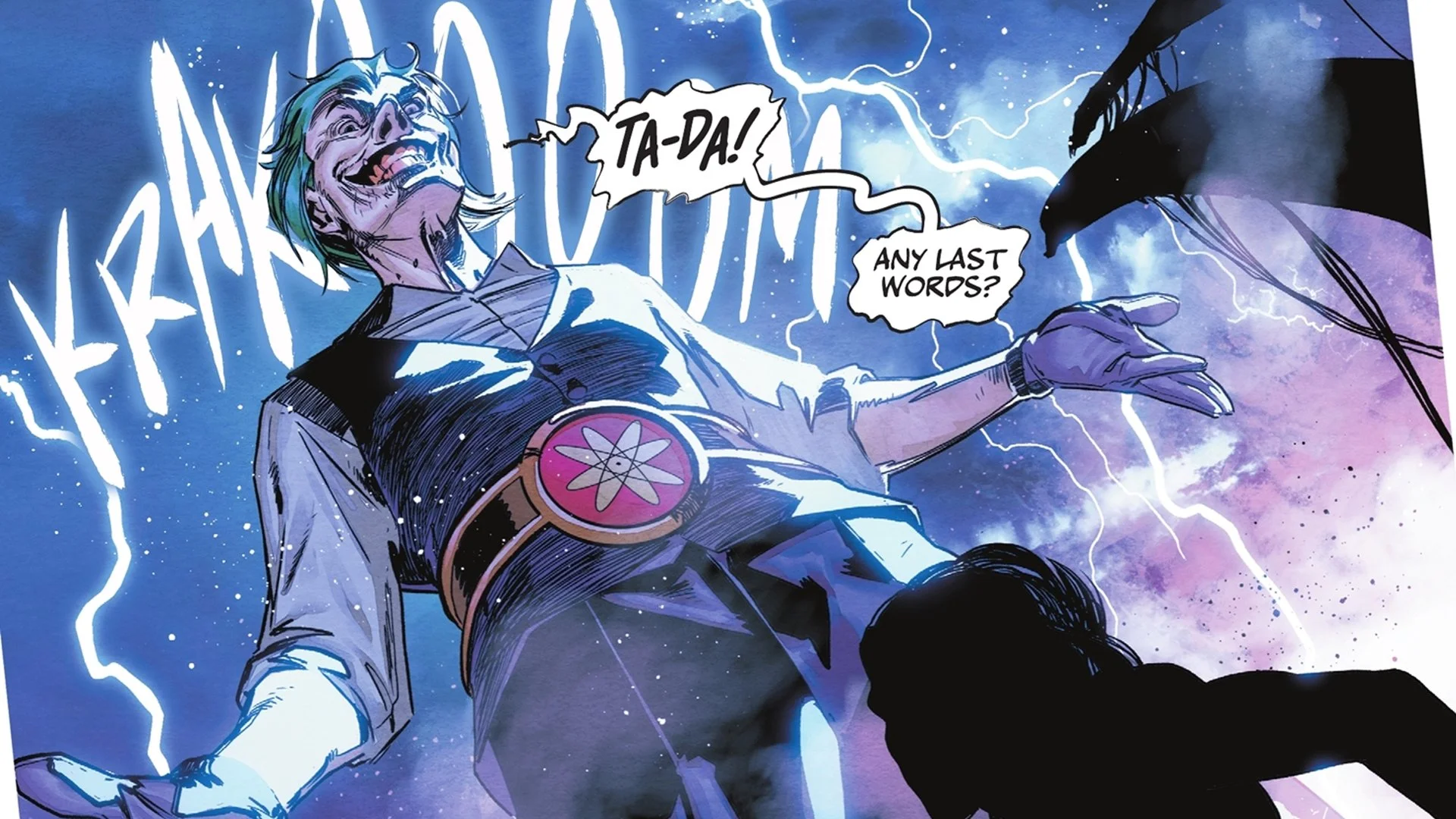
No one turns a scientific instrument into a punchline quite like the Joker. He claimed Atom's Belt, technology first seen with Ray Palmer in Showcase #34 (1961) by Gardner Fox and Gil Kane. Designed to allow wearers to shrink to subatomic levels, this tool of precision has become an instrument of grotesque, intimate murder in the Joker's hands. The Joker is historically defined by his use of personalized, chemical-based weapons (like Joker Venom) to cause specific, dramatic chaos. Now, as DC K.O. #2 grimly showed, the Clown Prince can inflict personalized pain from the inside out: the belt’s advanced science has been hijacked by boundless sadism.


Cyborg & Mother Box

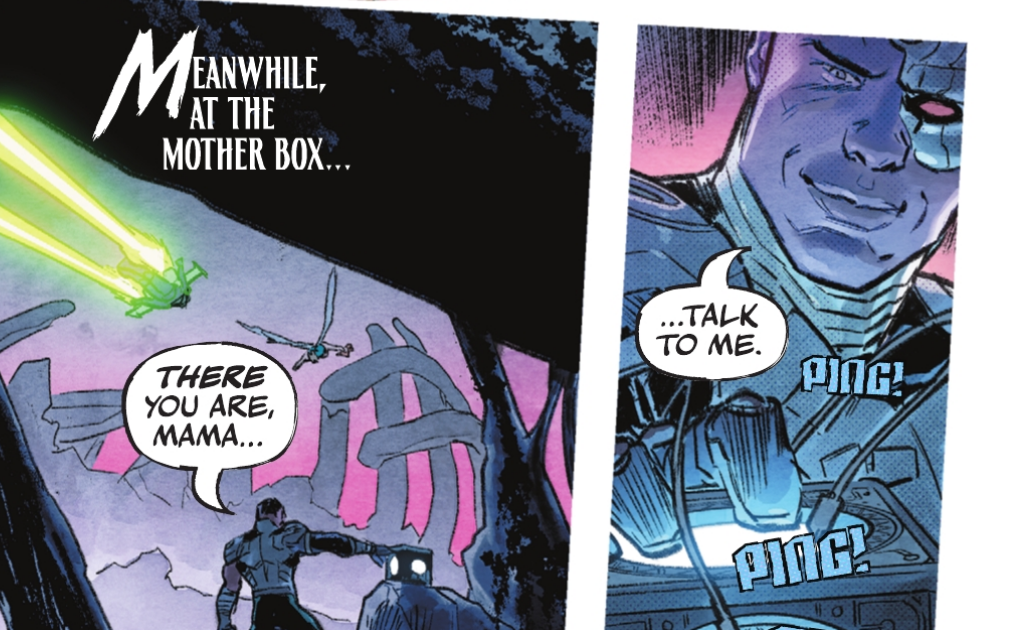
Victor Stone has integrated with a Mother Box, a sentient, New Gods' computer that first appeared in The Forever People #1 (1971), created by the legendary Jack Kirby. Capable of Boom Tube teleportation, advanced healing, and controlling all technology, this cosmic-level operating system gives Cyborg an unprecedented upgrade. Cyborg's history is defined by his struggle to integrate New Gods' technology into his very being; now, he has gained the master key. His already powerful cybernetics are now backed by a device that allows him to instantly teleport, rewrite the laws of technology, and turn any battlefield into his inescapable, personal fortress.


Captain Atom & Psycho Pirate's Mask

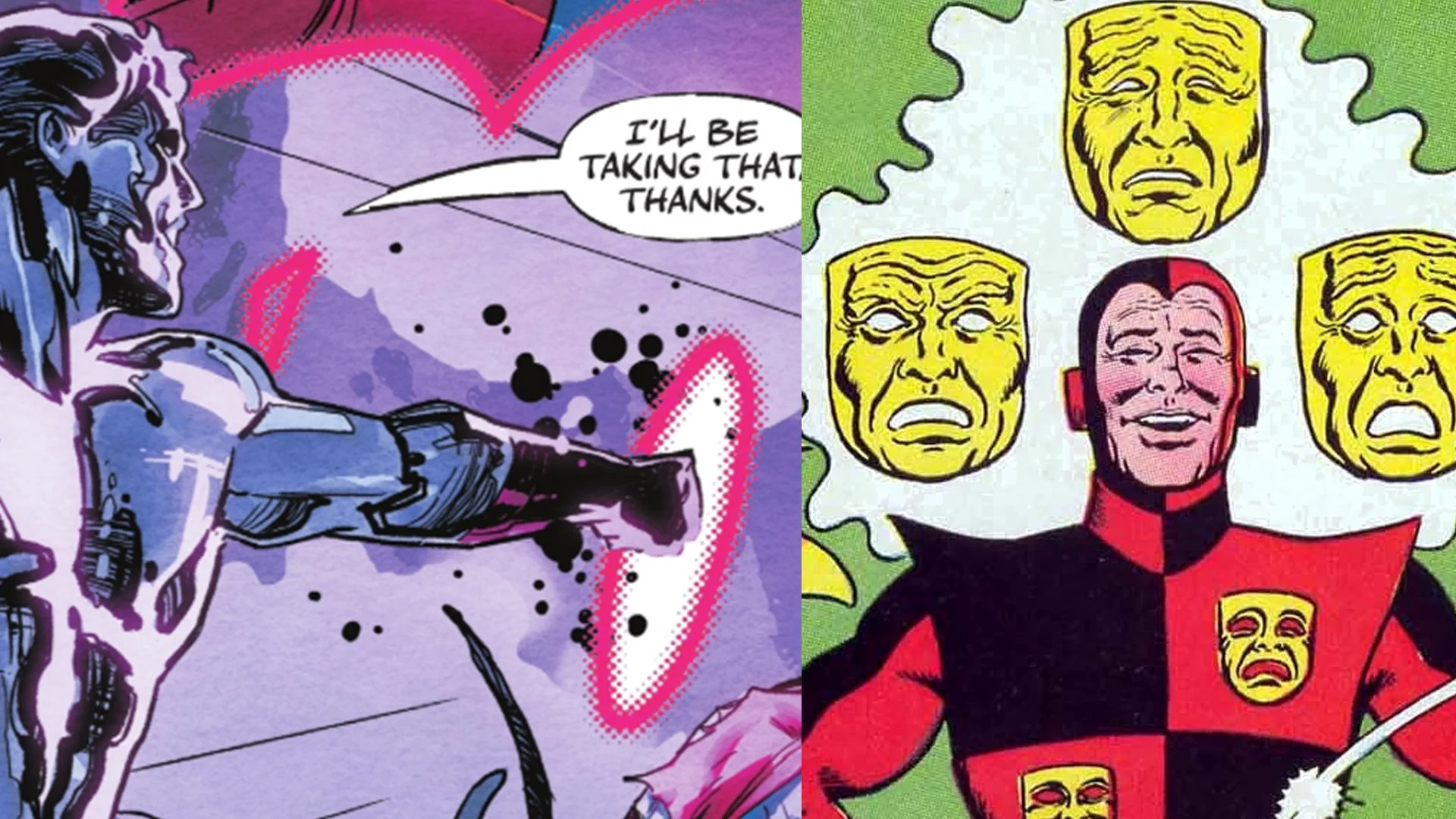
Captain Atom now possesses the Psycho Pirate’s Mask (The Medusa Mask), worn by Roger Hayden when he debuted in Showcase #56 (1965) by Gardner Fox and Mike Sekowsky. The Mask allows the wearer to manipulate the emotions of others on a massive scale. Captain Atom's history is one of volatile power struggles, often fearing his own power and the catastrophic damage it can inflict. Giving him a tool to control the emotions of his foes means he can induce paralyzing fear or mind-breaking despair in opponents before unleashing his nuclear might, turning an already unstable force into an emotional master manipulator.


Wonder Woman & Thor's Hammer (Mjolnir)

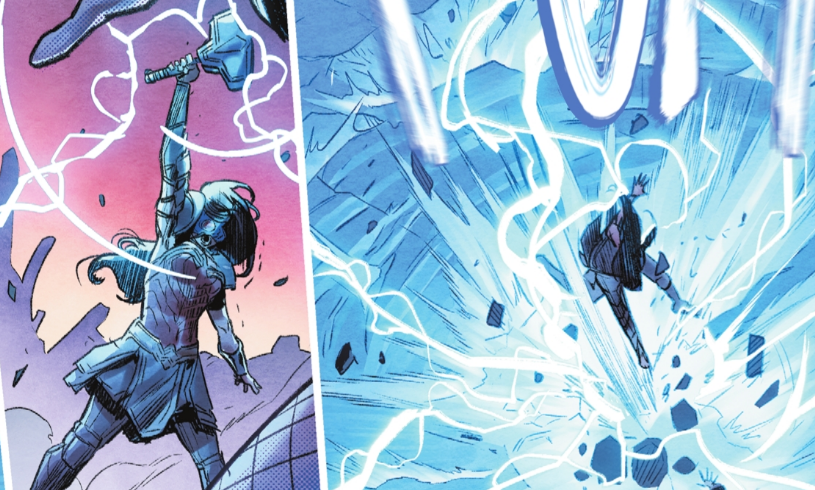
A truly worthy union! Diana has proven herself capable of wielding Thor's Hammer. This legendary Asgardian artifact grants the user the power of the Thunder God, including control over storms and flight. The hammer's mythological counterpart first appeared in a DC comic in Flash Comics #57 (1944). Wonder Woman is steeped in Greek mythology and often wields weapons of divine origin (like the Lasso of Truth or the Sword of Athena), which share similar origins to this hammer. Her Amazonian skill is now fused with the raw, cosmic fury of a thunder god, and her pure heart confirms she is always worthy of this mythological power, making this union of Greek and Norse myth an overwhelming, divine-level engine of destruction.


Lobo & Bane’s Venom

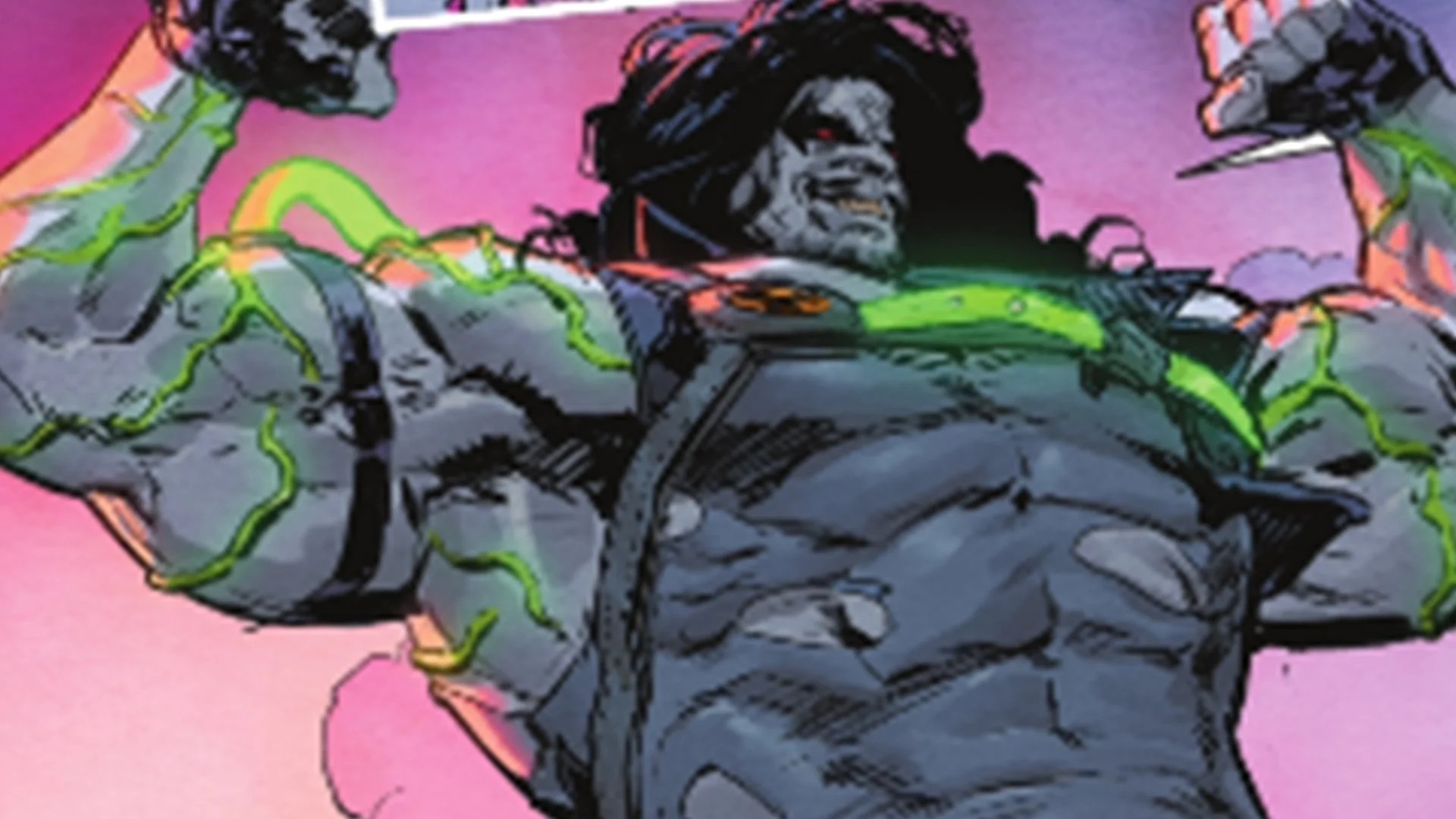
As if he wasn't tough enough! The Main Man’s power level just got dialed past infinity with Bane's Venom, a potent steroid that debuted in Batman: Vengeance of Bane #1 (1993) by Chuck Dixon, Doug Moench, and Graham Nolan. This drug grants massive, superhuman strength and stamina. Lobo has always relied on his inherent Czarnian physiology and ridiculous regenerative factor to overwhelm foes with sheer brute force. Venom doesn't just make him stronger; it takes his already insane power level and cranks it past twelve, compounding his signature berserker rage into an uncontrollable, hyper-charged engine of galactic violence.


Harley Quinn & Speed Force Ring

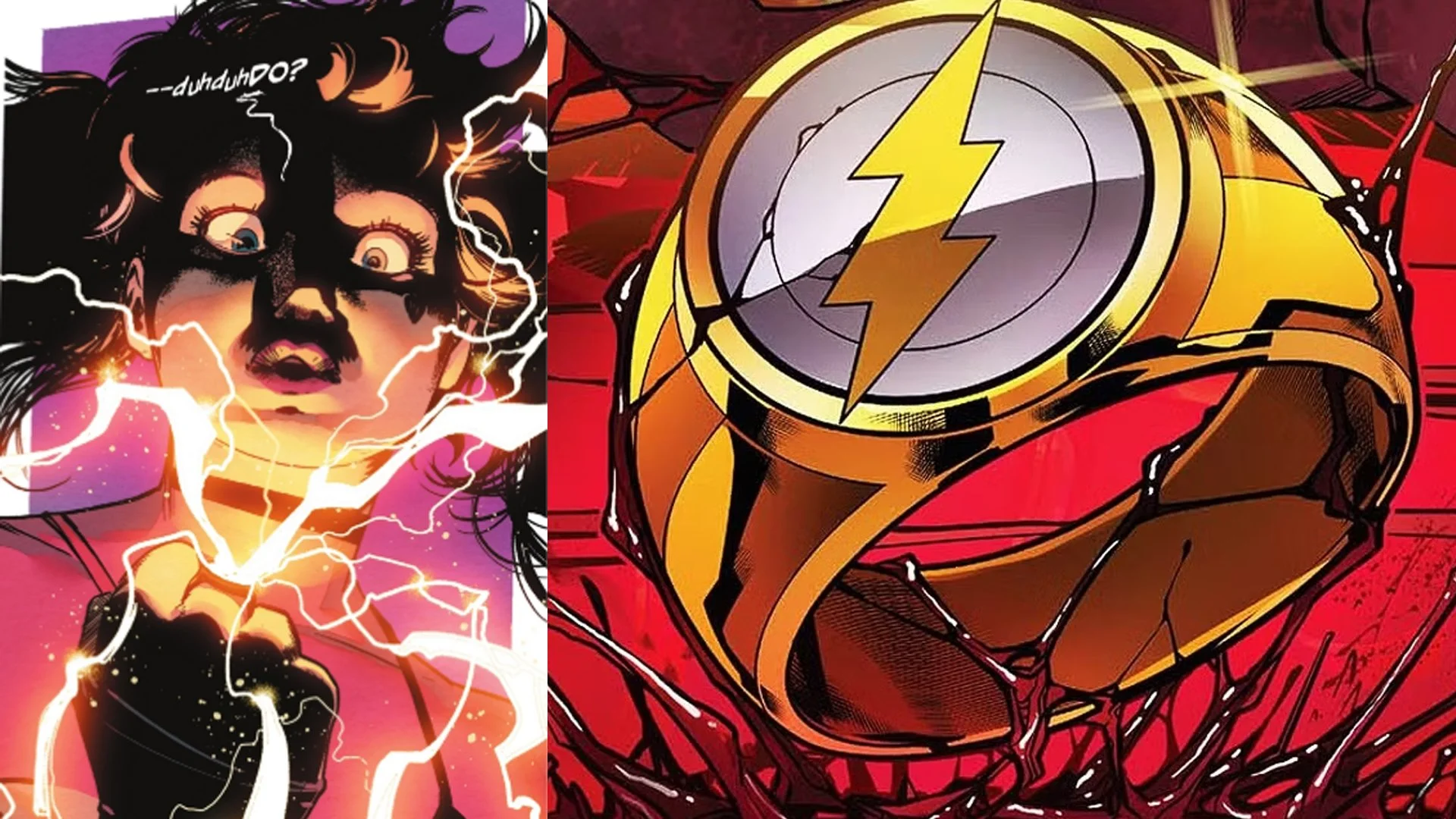
Harley is now tapping into the Speed Force, the energy source first detailed in Flash Vol 2 #91 (1994) by Mark Waid. This power grants the user super-speed and the ability to vibrate through matter. Harley's entire fighting style is based on gymnastic agility, unpredictability, and chaotic timing. Giving her chaotic, unhinged energy the power of near-instantaneous movement means her random, violent chaos can now be executed at the speed of light. She is an erratic, hypersonic hurricane of destruction that no one can track, let alone predict.


Lex Luthor & Power Rings

The universe's most brilliant mind just armed himself with the power of the cosmos! Lex Luthor has acquired multiple Power Rings, artifacts whose modern Corps concept began in Showcase #22 (1959) by John Broome and Gil Kane. These rings, fueled by different emotional spectrums, allow the wielder to create solid energy constructs and fly. Luthor has a long history of stealing or replicating Lantern technology, most notably the Orange Lantern Ring (Avarice) or his own Kryptonite-powered Green Lantern Ring. The real danger is that his sheer, cold intellect and will are now directing multiple cosmic emotional powers with a level of tactical genius that makes him an unparalleled, unified threat.

Etrigan & Genie Pen (Thunderbolt)

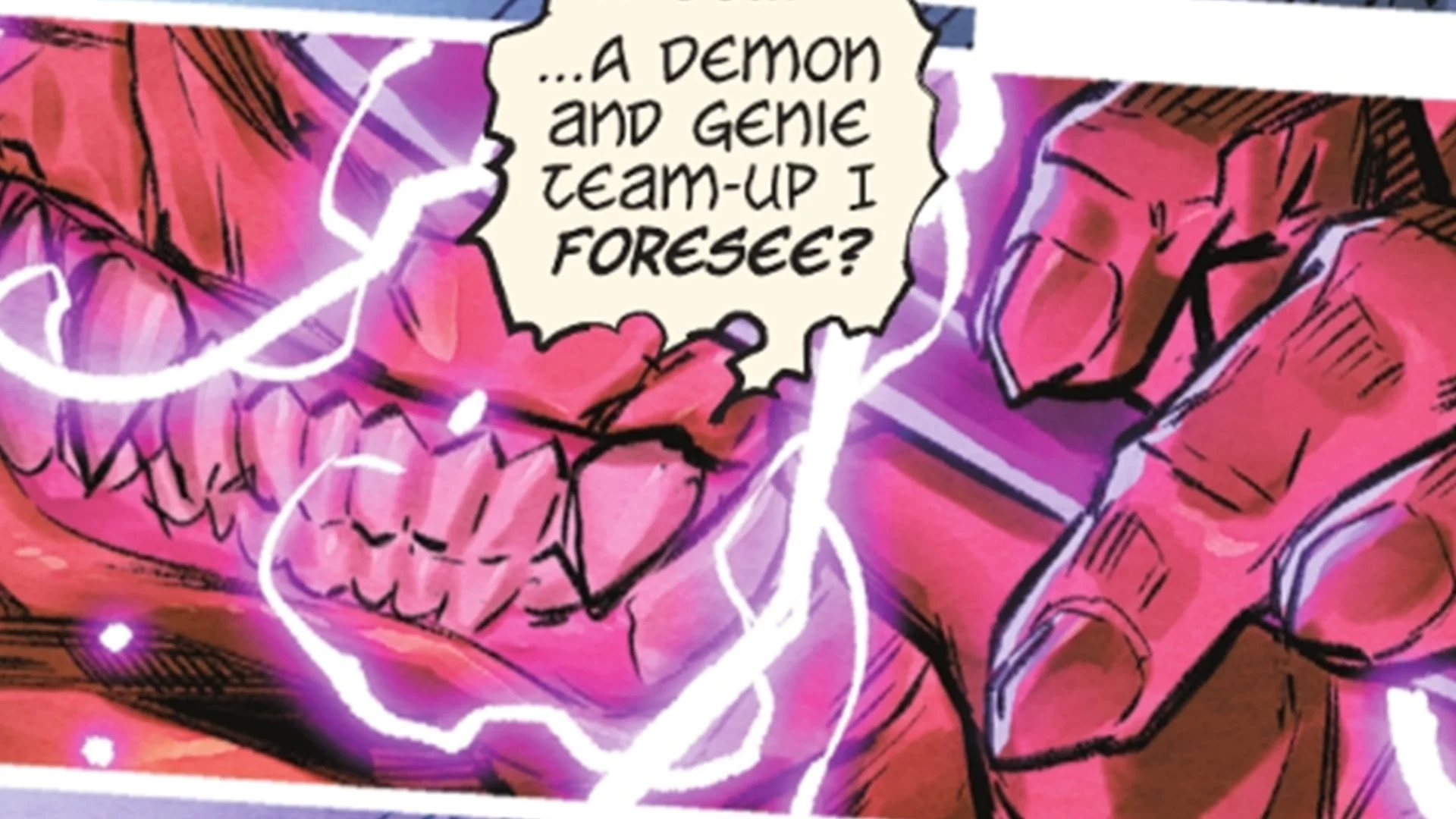
Etrigan the Demon now holds the Genie Pen, which contains the Fifth-Dimensional Imp Thunderbolt (Yz), dating back to Flash Comics #1 (1940) by John B. Wentworth and Stan Aschmeier. The pen grants wishes, resulting in chaotic, cosmic power. Etrigan's power is already rooted in chaotic, rhyming magic, making him a being of pure magical unpredictability. Combining his native hell-power with the chaotic, reality-bending wish-fulfillment means he can summon catastrophic, yet highly specific, magical effects with a single, rhymed decree: wishes for utterly demonic destruction.


Hawkman & Claw of Horus

Hawkman carries the Claw of Horus, a specialized Nth Metal gauntlet that debuted in JSA #20 (2001) by David S. Goyer, Geoff Johns, and Stephen Sadowski. The Claw channels the Earth's gravitational field and uses it as a kinetic weapon. Hawkman's history is steeped in ancient Egyptian myth and he has wielded countless Nth Metal weapons and artifacts over his many reincarnations. The Claw gives this relentless, barbaric warrior the power to essentially "hit you with the planet," augmenting his melee assault with planet-scale gravity manipulation, crushing opponents with the weight of the Earth itself.


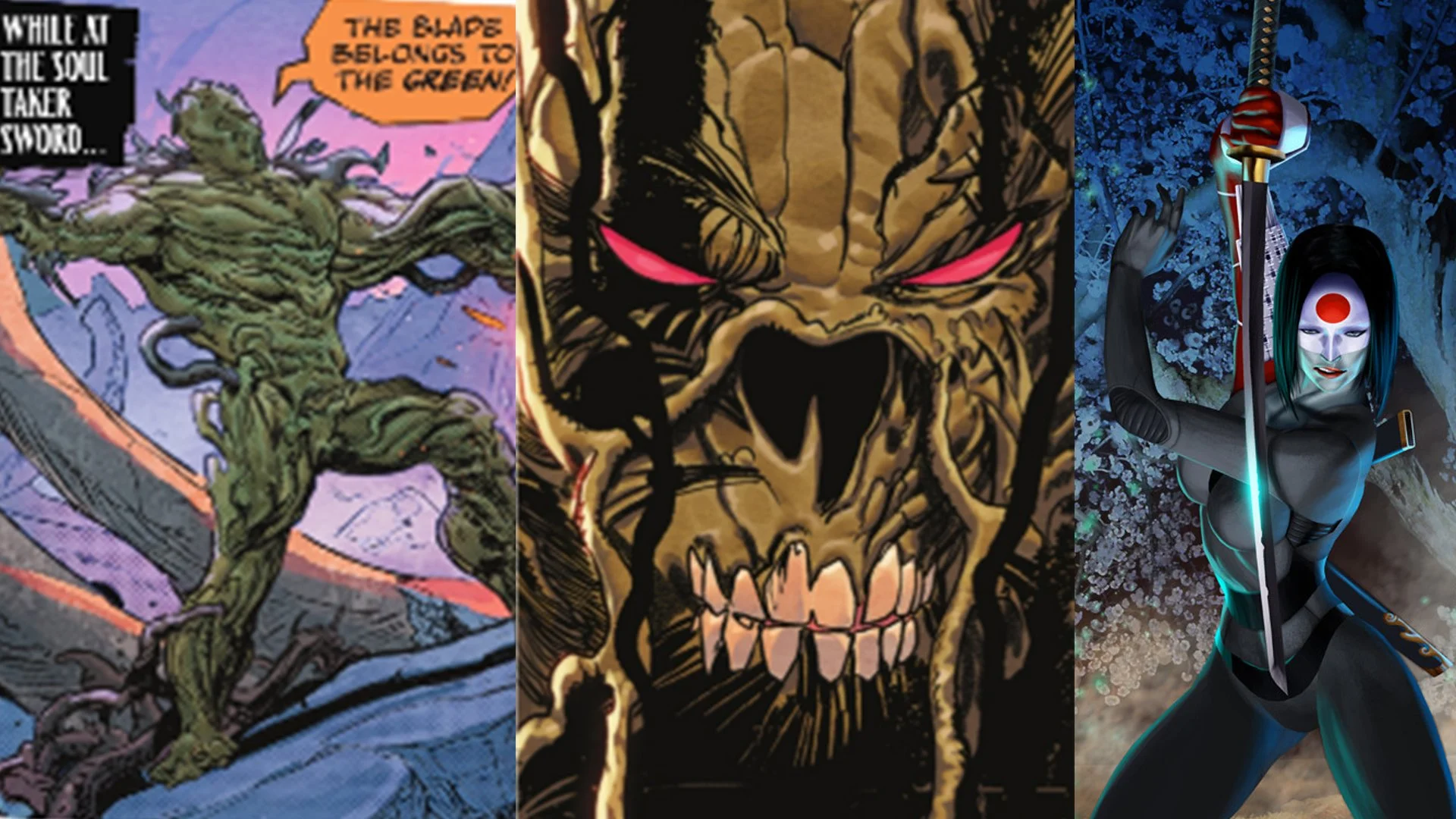
Swamp Thing & Soul Taker Sword

The Avatar of the Green is now armed with the Soul Taker Sword, most famously used by Katana and debuting in The Brave and the Bold #200 (1983) by Mike W. Barr and Jim Aparo. The sword captures the souls of those it kills within its blade. Swamp Thing is the champion of The Green, fundamentally defined by non-violence and the protection of natural life, rarely using conventional weapons. Giving him a weapon that traps the spiritual essence of his victims is a horrifying corruption of his nature, turning him into the reluctant warden of his defeated foes.


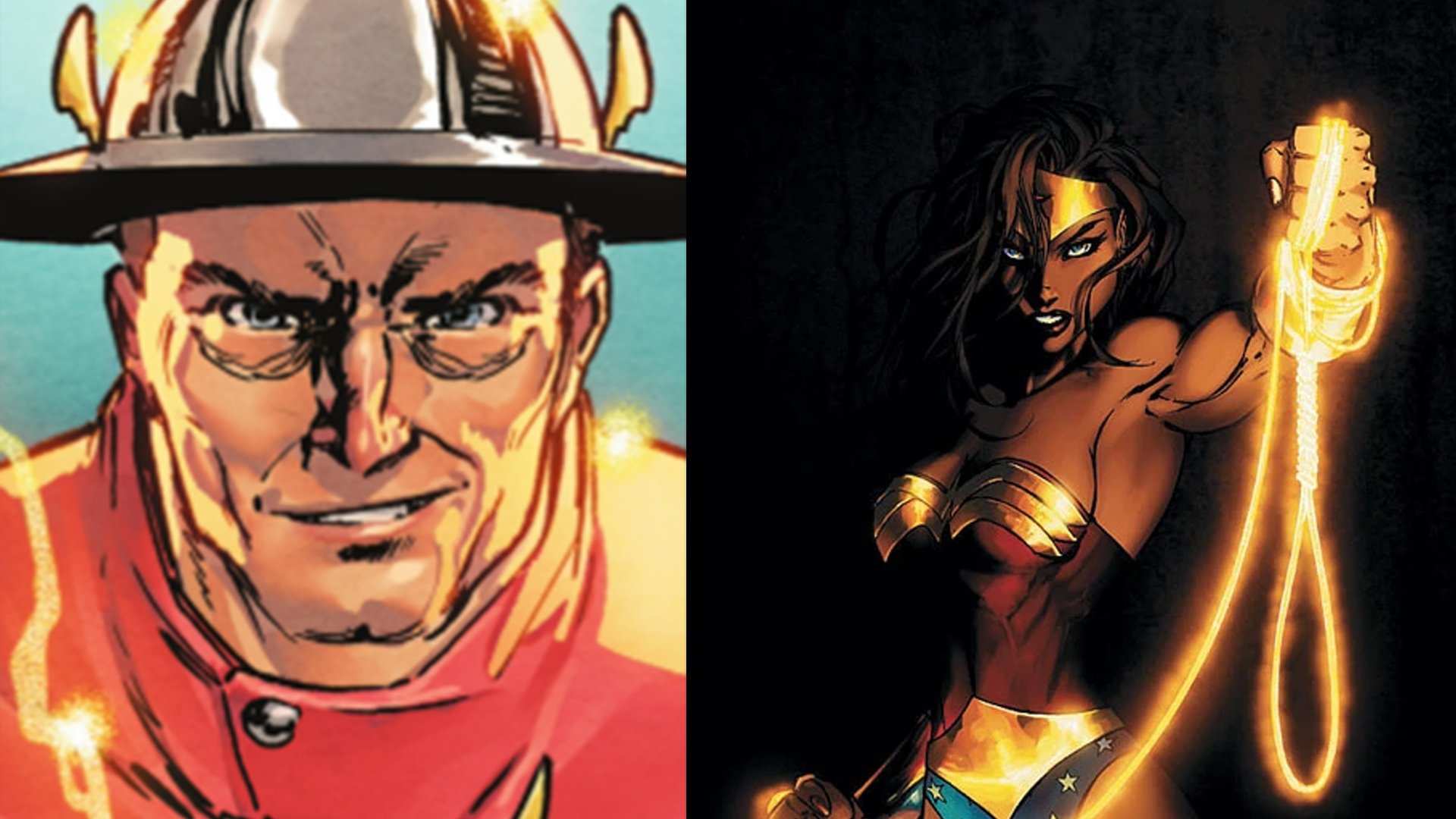
Jay Garrick & Lasso of Truth

The original Flash, Jay Garrick, is wielding the Lasso of Truth, which first appeared in All-Star Comics #8 (1941) by William Moulton Marston and Harry G. Peter. The Lasso compels anyone wrapped in it to tell the absolute truth. Jay Garrick is known for his wisdom, moral center, and experience, often serving as a mentor for younger heroes. Fusing his wisdom and speed with this tool that cuts through all deception means he can instantly bind any opponent, forcing them to reveal their strategy, their weaknesses, or their hidden fears before they can react. He is a lightning-fast, inescapable inquisitor.


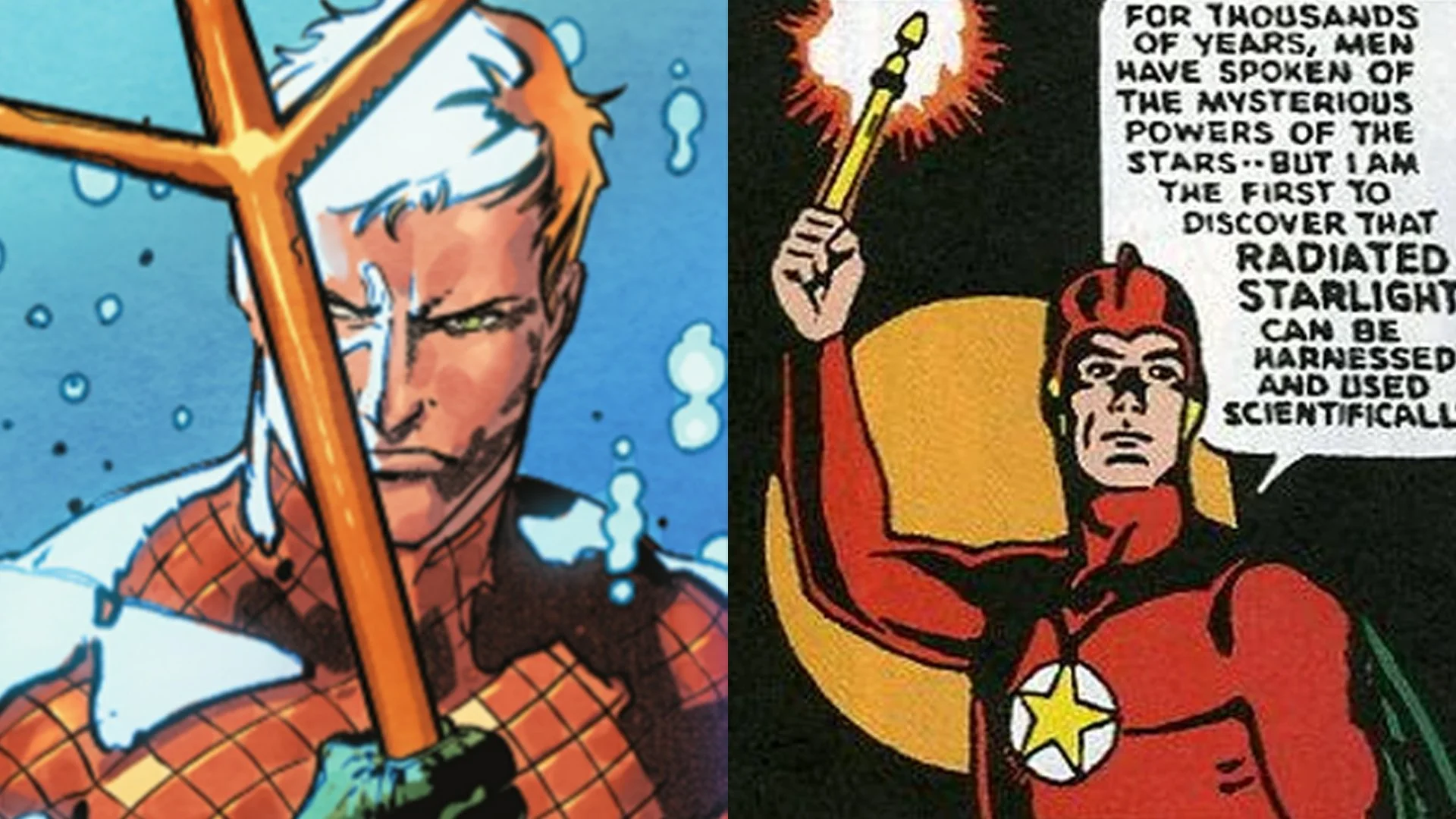
Aquaman & Cosmic Rod

Aquaman, King of Atlantis, has claimed the Cosmic Rod, the stellar-powered device of the Golden Age Starman, which debuted in Adventure Comics #61 (1941) by Gardner Fox and Jack Burnley. The Rod absorbs and projects stellar energy and allows for the manipulation of gravity. Aquaman has always struggled with his reputation and reliance on the ocean, often seeking tools to augment his power on land. This artifact instantly negates his disadvantage on land, turning him into a cosmic-powered, gravity-defying artillery platform. He would best use the Cosmic Rod to instantly create crushing gravity wells, pinning his foe while simultaneously calling on his telepathic command of the ocean to attack. An opponent may draw him to a desert for an advantage, only to be instantly crushed by localized gravity and elemental manipulation.


Superman & Omega Sanction

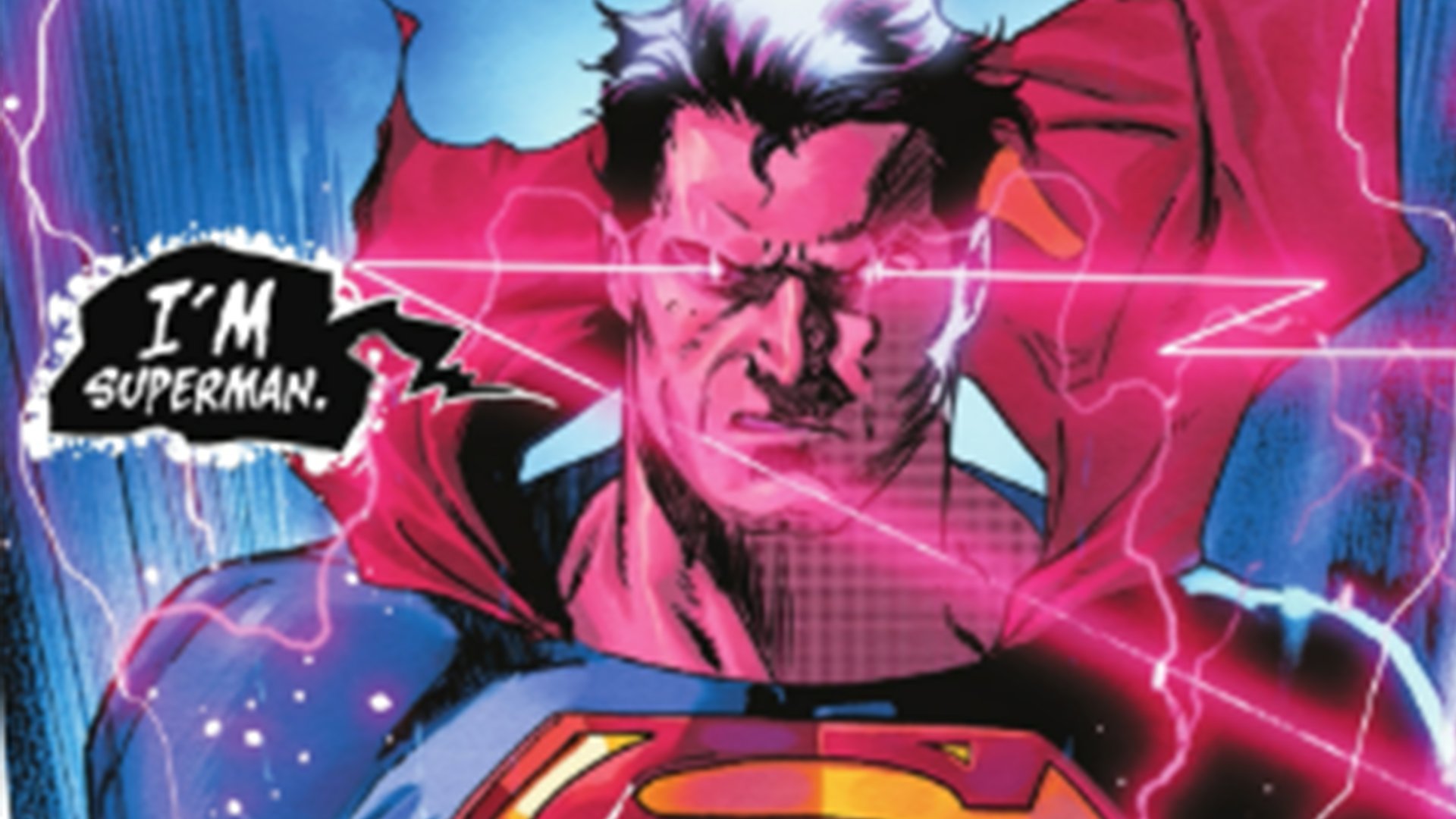
The most terrifying combination in the entire bracket: Superman has acquired the ultimate weapon of Darkseid: the Omega Sanction, an attack first detailed in Mister Miracle Vol 3 #6 (1998) by Walter Simonson. This power traps its victim in an endless cycle of alternate lives and horrific realities. Superman's character is built entirely on his adherence to a strict, non-lethal moral code. As the DC K.O. #2 reviews confirm, he acquired this power through a brutal, self-sacrificial act, showing he is willing to cross his own moral lines. This weapon gives the world's most powerful being the ultimate divine power, forcing him to engage in an act of finality and psychological annihilation. This is no longer the Superman we know; this is the Omega weaponized.


🏆 Conclusion: The King Omega Will Rise!

The final 16 are set, and the sheer power contained in this bracket is unprecedented. The tournament has done more than just pit the DC Universe’s heavy hitters against each other; it has armed them with the very instruments of cosmic chaos. Every hero and villain has been fundamentally changed by their new weapon, and the consequences of their choices in the Scramble Round will echo through the next stage. Who will survive? Who will break? And who has what it takes to stop Darkseid by becoming the new King Omega? Don't miss a single page of this epic event!

Peacemaker S2 Reveals Major Superman Character’s Fate and Sets Up Man of Tomorrow

George SerranoComment

So THAT’s why Superman went to streaming so fast.!

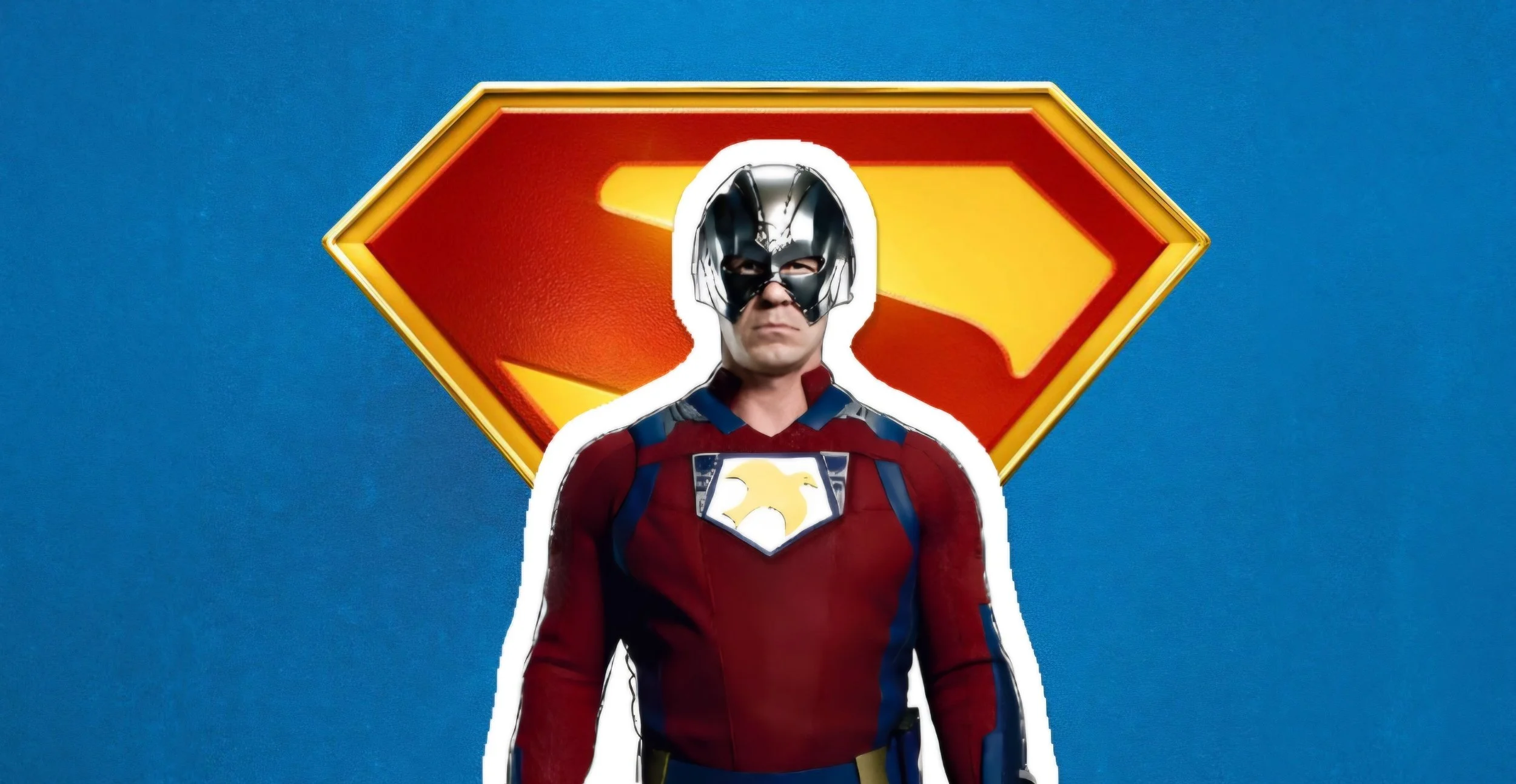
The incredible reveal in Peacemaker Season 2, Episode 6, titled "Ignorance Is Chris," has done exactly what James Gunn hinted it would: it clarified a major Superman character's post-Superman status and kick-started the plot for the next film, Man of Tomorrow. This isn't just a simple guest appearance. It’s a foundational piece of DC Universe lore, and it reveals why the Superman film was rushed onto digital platforms to beat the TV show's massive spoiler.

.

.

The Ultimate Spoiler: Luthor is Open for Business.

In the episode, we find a character whose fate was decided in the Superman climax. This character, whom we know to be Nicholas Hoult's Lex Luthor, is imprisoned at Belle Reve, confirming that his world-threatening actions involving his dimensional technology—the notorious "Luthor Incident"—led directly to his incarceration.

Now, A.R.G.U.S. Director Rick Flag Sr. (Frank Grillo) is desperate. Peacemaker has escaped to a Nazi-tinged alternate dimension, and Flag needs the world’s foremost and most dangerous expert on unstable dimensional portals. That expert is Lex.

Flag offers Luthor the ultimate prize for his help: a transfer out of Belle Reve and into the much softer, non-metahuman prison of Van Kull, calling it an "opportunity for redemption." The deal? Lex has to lend his genius to tracking down Peacemaker's dimensional portal technology, which is throwing dangerous energy readings across their universe.


The Multiversal Path to Man of Tomorrow

This scene is the trigger for the entire next phase of the DCU. As James Gunn has emphatically stated, Peacemaker Season 2 is a "prequel" to Man of Tomorrow.

The Luthor scene is the moment the villain gains crucial leverage to escape the metahuman prison system. By forcing him to "collaborate" with the government, Flag is unknowingly putting Luthor on the path to freedom, a path that will inevitably lead to him regaining his power and influence. It’s a classic supervillain move executed with modern DCU precision!

The dimensional chaos created by Peacemaker’s Quantum Unfolding Chamber inadvertently gives Lex Luthor the perfect excuse to re-enter the main stage. The multiversal threat that Peacemaker unleashed is exactly the kind of massive, shared foe that Gunn has teased will force an unlikely alliance between Superman and a newly "heroic" Lex Luthor in Man of Tomorrow.


Don't Miss the Finale Setup

There are still two high-stakes episodes left in Peacemaker Season 2, which James Gunn has kept under tight wraps because they contain major spoilers for the wider DCU!

The season finale, which airs October 9th, is expected to be the most crucial episode in setting up the Man of Tomorrow conflict. You won't want to miss a moment of the final push.

Catch all new episodes of Peacemaker Season 2 streaming exclusively on Max every Thursday! The fate of a major Superman villain—and the plot of the next big film—is being decided right now on your TV screen!

An Armored Genius: The Evolution and Legacy of Lex Luthor's Warsuit

George SerranoComment

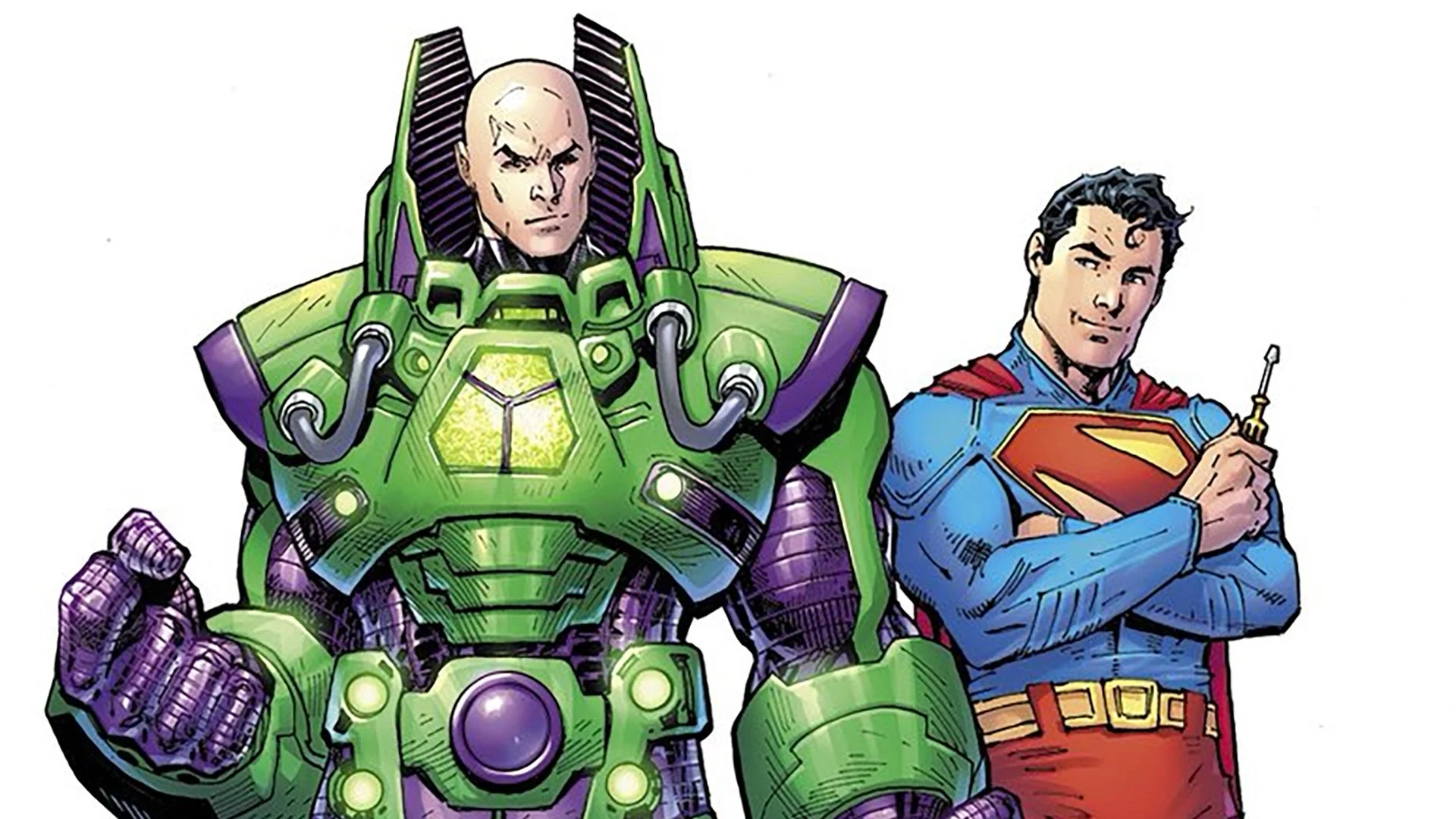
The recently released image by James Gunn, promoting the next installment in his Superman saga, Man of Tomorrow, is more than just a promotional piece; it is a profound declaration for the future of the DC cinematic universe. The artwork by Jim Lee depicts Nicholas Hoult's Lex Luthor clad in his iconic green warsuit, standing next to David Corenswet's Superman. This visual is a signal to fans that the upcoming film will feature a fundamental shift in the live-action portrayal of the legendary rivalry.

While previous cinematic versions have positioned Luthor as a purely psychological or business-oriented threat, this image promises a direct, physical confrontation, a dynamic long-established in the comic books but never before fully realized on the big screen. This report serves as a comprehensive guide to understanding the history, evolution, and deep-seated symbolism of the battlesuit, explaining precisely why its live-action debut is such a monumental moment for the DCU and its fanbase.  


Part One: The Bronze Age Blueprint

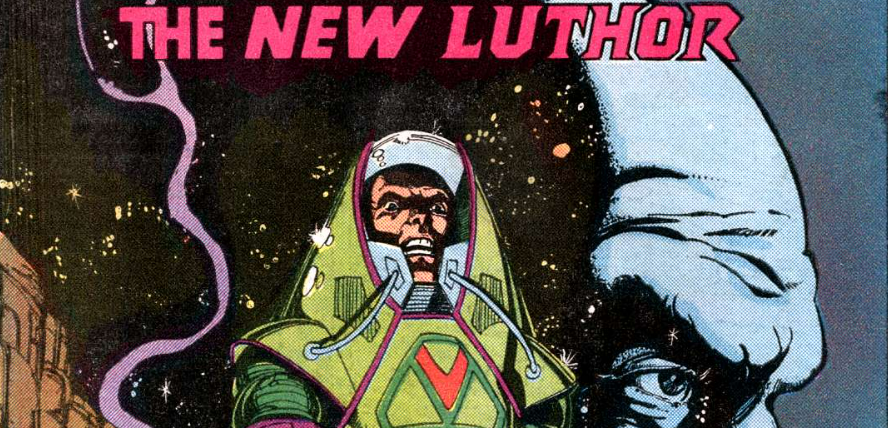
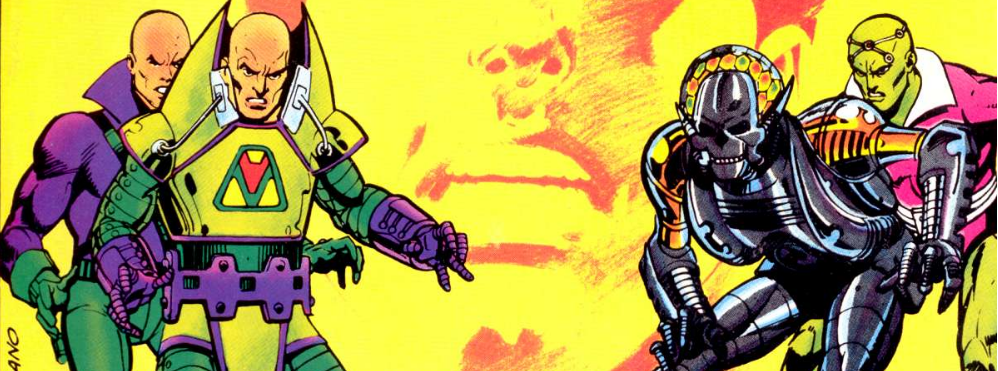
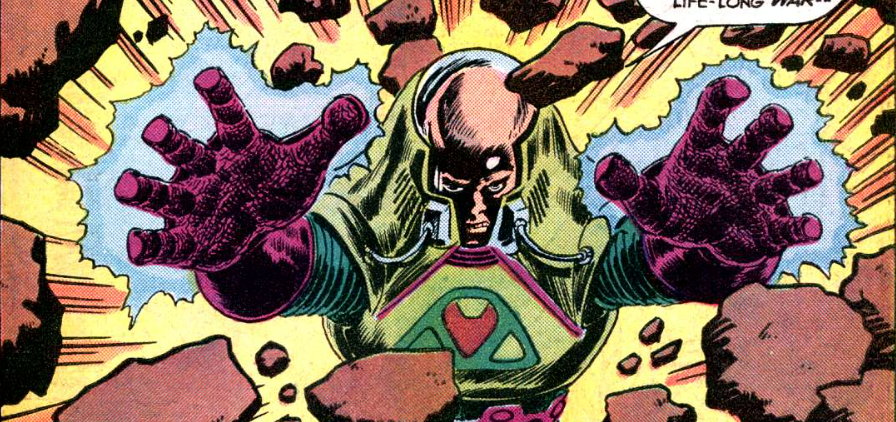
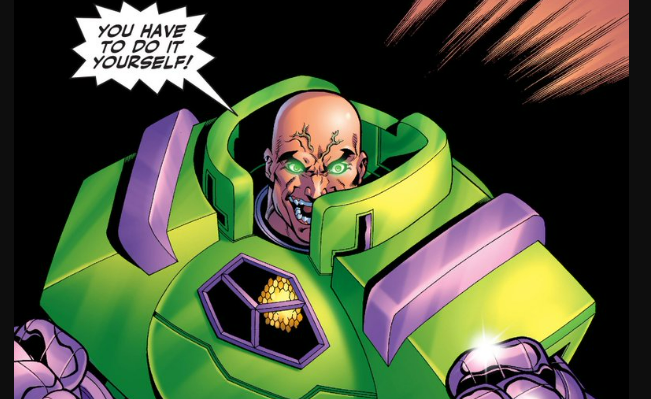
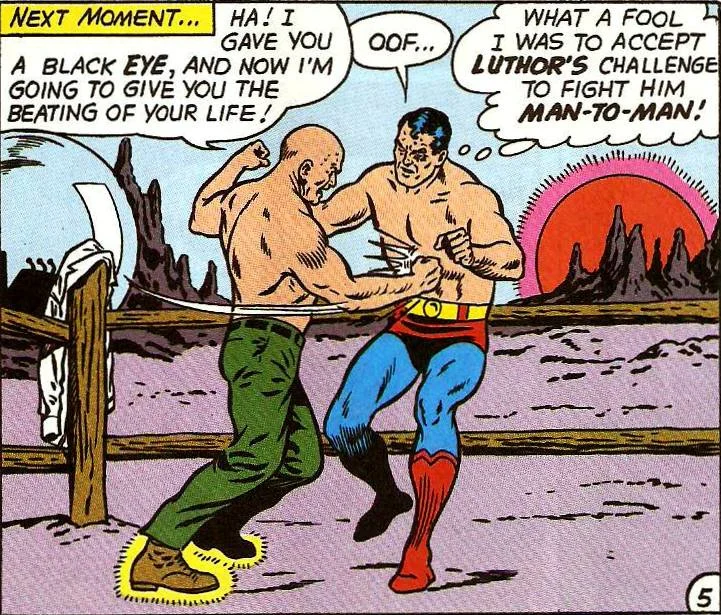
The Lex Luthor battlesuit made its explosive debut in Action Comics #544, a landmark issue released in June 1983. This comic was a 45th-anniversary special for Superman, a testament to the character's enduring legacy. In this issue, DC Comics sought to revitalize its two most prominent villains, giving new, more dynamic looks to both Luthor and his frequent cohort, Brainiac. The story, titled "Luthor Unleashed!", was crafted by writer Cary Bates with art by penciler Curt Swan and artist George Pérez. The introduction of the suit was a pivotal event in the Bronze Age of comics, moving Luthor beyond his traditional role as a mad scientist who relied solely on cunning and intellect to a tangible physical threat capable of going "toe-to-toe" with the Man of Steel.  

The Lexorian Legacy and Its Controversial Genesis

The original origin of the warsuit is deeply intertwined with one of the most tragic and bizarre storylines of the Pre-Crisis era: the tale of Planet Lexor. Luthor, at this time a fugitive from Earth, landed on a distant planet orbiting a red sun, where Kryptonians are stripped of their powers, putting him on an even playing field with Superman. By using his genius to help the planet's primitive, stone-age inhabitants, he became a revered hero and savior in their eyes. The grateful natives renamed their world "Lexor" in his honor, and he even married a local woman, Ardora, and fathered a son, Lex Jr..  

His peaceful life on Lexor was short-lived, as he eventually discovered and modified an ancient, powerful battle-armor from a long-lost lab on the planet. The temptation to use the suit to finally defeat his nemesis was too strong for his ego to resist. This led to a final, brutal battle with Superman, during which a blast from the battlesuit accidentally destabilized the planet's core, causing it to be vaporized and killing Luthor's wife, son, and all of the planet's inhabitants. The emotional and psychological trauma of this event drove Luthor to a new, more intense level of madness, transforming his resentment into an all-consuming, personal hatred for Superman. This narrative choice provided a visceral, devastating motivation for his villainy.  

The introduction of the battlesuit was not universally loved at the time. Many long-time fans criticized it as a betrayal of the core philosophical dynamic between Superman's physical might and Luthor's intellectual genius. There was a palpable sense that the suit's existence was primarily a commercial decision, a cynical move to make Luthor more "toyetic" for the popular DC Super Powers action figure line. The irony of this criticism, however, is that the very thing that made the suit controversial is what cemented its iconic status. The simple, bold, and visually striking design, crafted by legendary artist George Pérez, made it a perfect fit for a toy line and merchandise. This commercial success ensured the suit became the most recognizable visual representation of a physically-threatening Luthor, cementing its place in the public imagination and ensuring its survival in the character's mythology long after the original Planet Lexor storyline was retconned away.  

Design for Destruction

The original battlesuit was a marvel of fictional engineering. It functioned as an advanced, mechanized exoskeleton, designed to level the playing field against a Kryptonian. Its core capabilities included superhuman strength and durability, allowing Luthor to withstand blows that would instantly kill a normal human. It also granted him the power of flight through a system of rocket thrusters. To counter Superman's powers, the suit was armed with advanced weaponry, most notably energy projection systems that were often infused with Kryptonite to weaken his opponent.  


Part Two: An Evolution in Armor

The Post-Crisis Resurrection


After its initial run, the Lexor storyline and the battlesuit were wiped from continuity by the cataclysmic events of Crisis on Infinite Earths and the subsequent Man of Steel reboot in the mid-1980s. For nearly two decades, the warsuit existed only as a relic of a bygone era. Its triumphant return in 2003, during the Superman/Batman: Public Enemies story arc, was a deliberate and calculated move by DC Comics.  

The revival of the battlesuit was not a simple act of fan service; it served as a powerful narrative bridge. The Post-Crisis era had established a more grounded, ruthless corporate Luthor, a seemingly legitimate businessman who rarely resorted to physical violence against Superman. By reintroducing the outlandish, fantastical battlesuit, DC was explicitly celebrating its Pre-Crisis, more classic, and openly megalomaniacal history. The re-emergence of the suit effectively told longtime readers that the "new" DC universe was not completely abandoning its past but was instead integrating its most beloved elements. The suit, therefore, became a powerful symbol of DC's ongoing effort to reconcile its legacy with its modern direction, acting as a powerful narrative bridge between different comic book eras.  

Technological Escalation

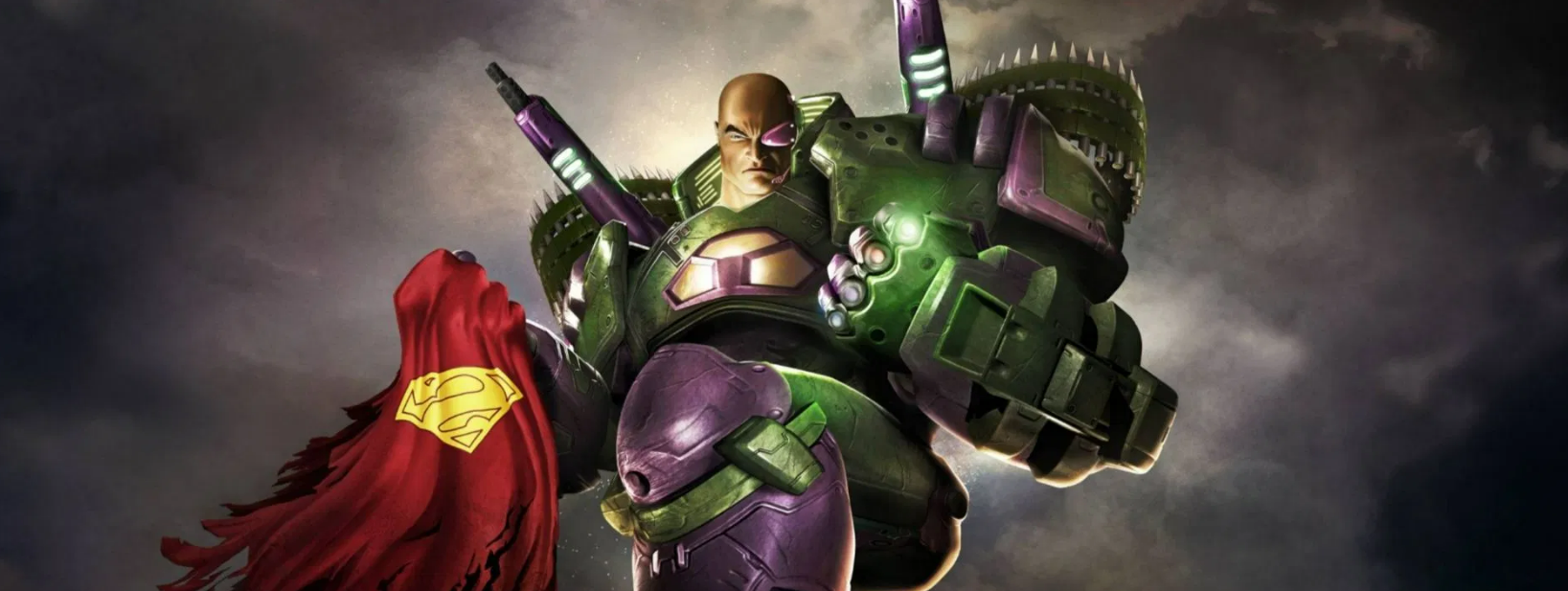
The Post-Crisis battlesuit was given a new origin, a fresh creation by President Luthor himself. This new version was not found technology from another planet but a bespoke weapon, powered by a volatile mix of Apokolips' technology, Kryptonite, and Bane's Venom serum. This technological escalation set the stage for subsequent versions of the suit, which have included an array of increasingly sophisticated and dangerous capabilities. Many modern incarnations include a protective force field, short-distance teleportation for tactical escapes, and a wide variety of weaponry. This progression from a single "battlesuit" to a "multiversal arsenal" reflects the growing complexity of the DC Universe.  

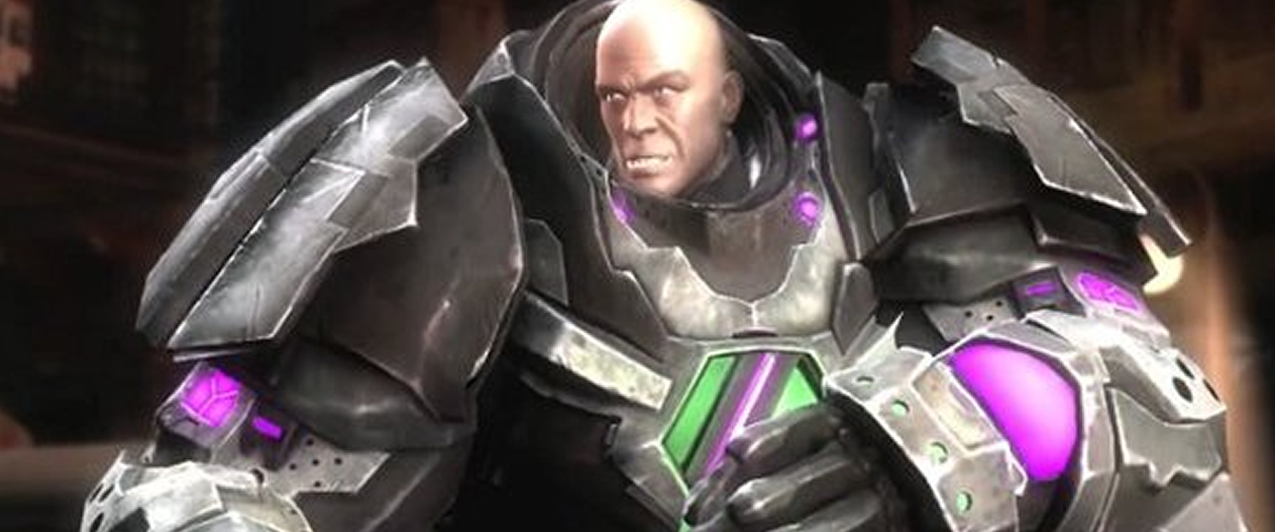
The battlesuit has also transcended its comic book origins, appearing in numerous forms of media. In animated series, it has been a frequent feature, notably in the DC Animated Universe where it was used in Superman: The Animated Series and Justice League Unlimited. The suit has also appeared in shows like   Young Justice, where Luthor employs multiple, technologically advanced variants, including one with nanotechnology. In video games, the battlesuit is a staple, serving as a frequent boss battle and character power-up in titles like the  Injustice series and the LEGO Batman games.  

The Superman of Metropolis

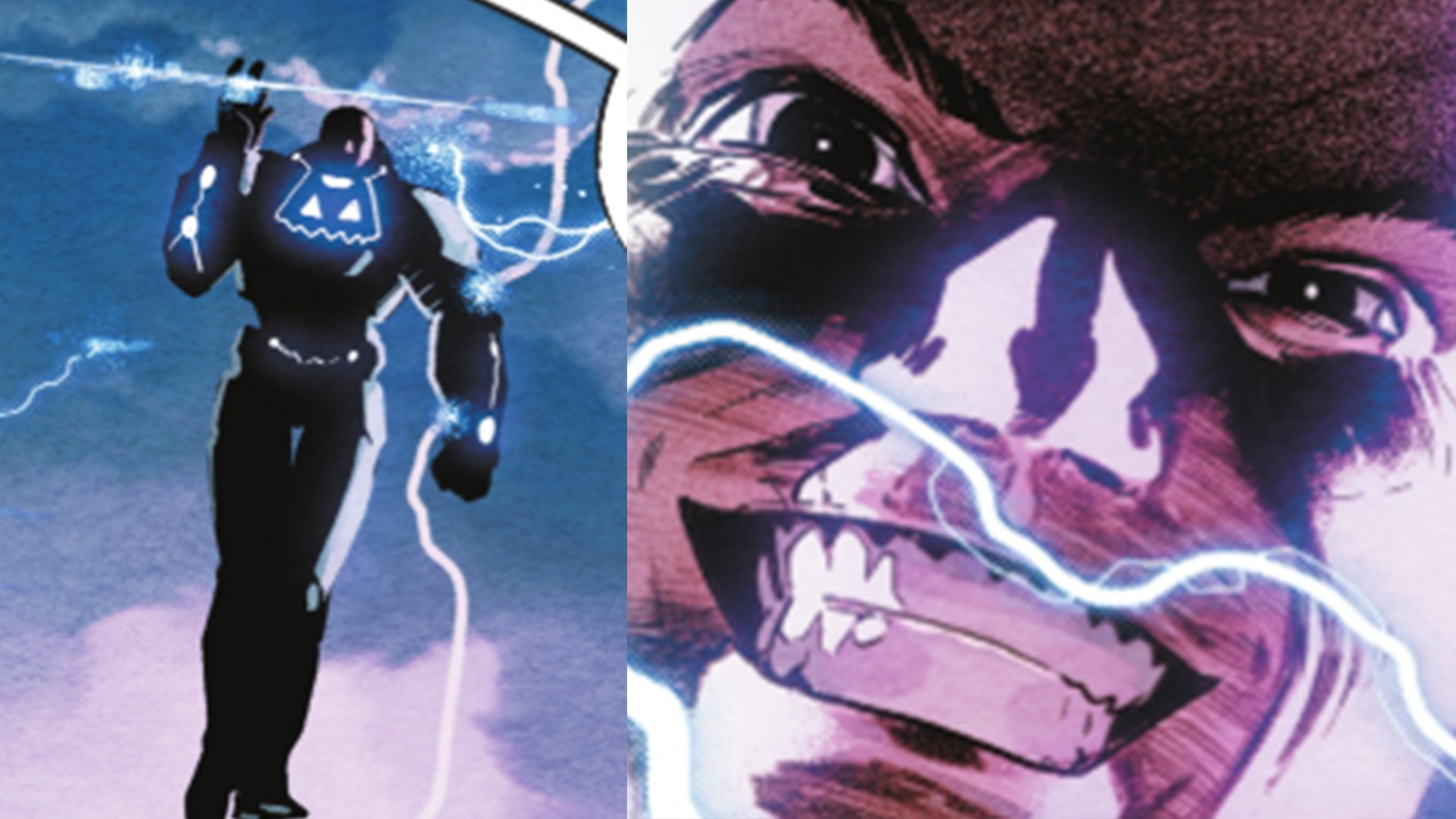
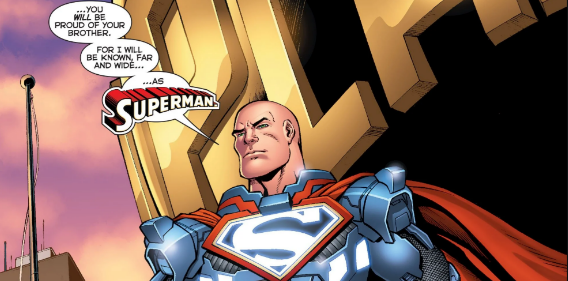
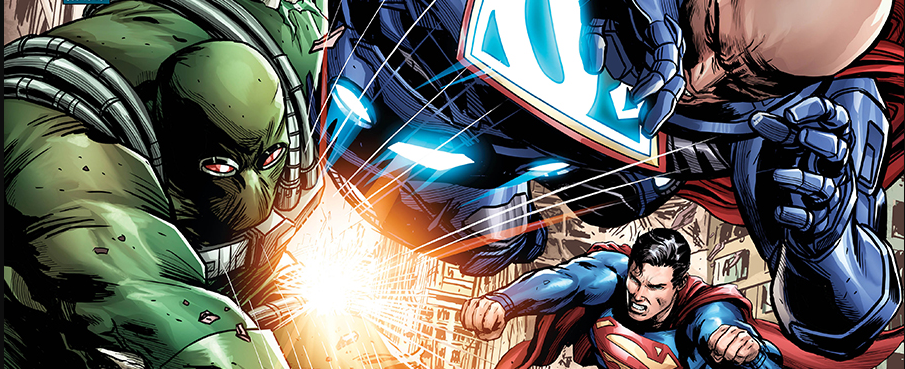
After the death of the New 52 version of Superman, Lex Luthor had a temporary heroic phase that included wearing a suit with Superman's iconic "S" symbol on it. In the Justice League: The Darkseid War storyline, Luthor absorbs the tyrannical ruler's power, leaves Metropolis for Apokolips, and becomes the new "God of Apokolips". It was during this time that he created a new blue power suit. The suit was built with a built-in Mother Box, a highly advanced computer, which gave it flight and energy weapons. This heroic turn was a genuine one, as he worked with the new Rebirth Superman, eventually realizing that the symbol stood for something beyond himself. This temporary shift from villain to hero was a new, complex development for the character, though he would eventually revert to his villainous ways.


Part Three: More Than a Mech Suit

The battlesuit is more than just a weapon; it is a profound symbolic paradox that speaks to the heart of Lex Luthor’s character. He is the self-proclaimed pinnacle of human intellect, a man who despises the very notion of physical superiority. Yet, he willingly dons an armored exoskeleton to fight Superman on his terms. This is a powerful paradox and a symbolic admission of Luthor’s ultimate inadequacy. For a man who believes his mind alone should be able to defeat any foe, the act of donning a battlesuit is an explicit acknowledgment that his intellect has failed to achieve the one victory he craves most. The suit is not a simple weapon; it is a physical manifestation of his emotional desperation. It is a visual sign that his hatred and ego have driven him to abandon his own philosophical ground to get the victory he so desperately desires. The suit itself, therefore, becomes a symbol of his hubris that consistently leads to his downfall, as it proves he cannot win on his own terms.  

This paradox is perfectly encapsulated in one of the suit's most iconic and seemingly absurd design choices: the open-faced helmet. A logical, pragmatic scientist would prioritize protecting his most vital organ, but Luthor's psyche is defined by his narcissism. The force field is powerful enough to protect him , allowing his face to remain exposed to his opponent and to the world. Luthor does not just want to defeat Superman; he wants the world to see him—Alexander Luthor, the genius—do it. The battlesuit is his instrument, but the victory must be his alone, witnessed and celebrated by all. This visual choice perfectly captures the essence of his character: his massive ego is both his greatest strength and his most vulnerable weakness.

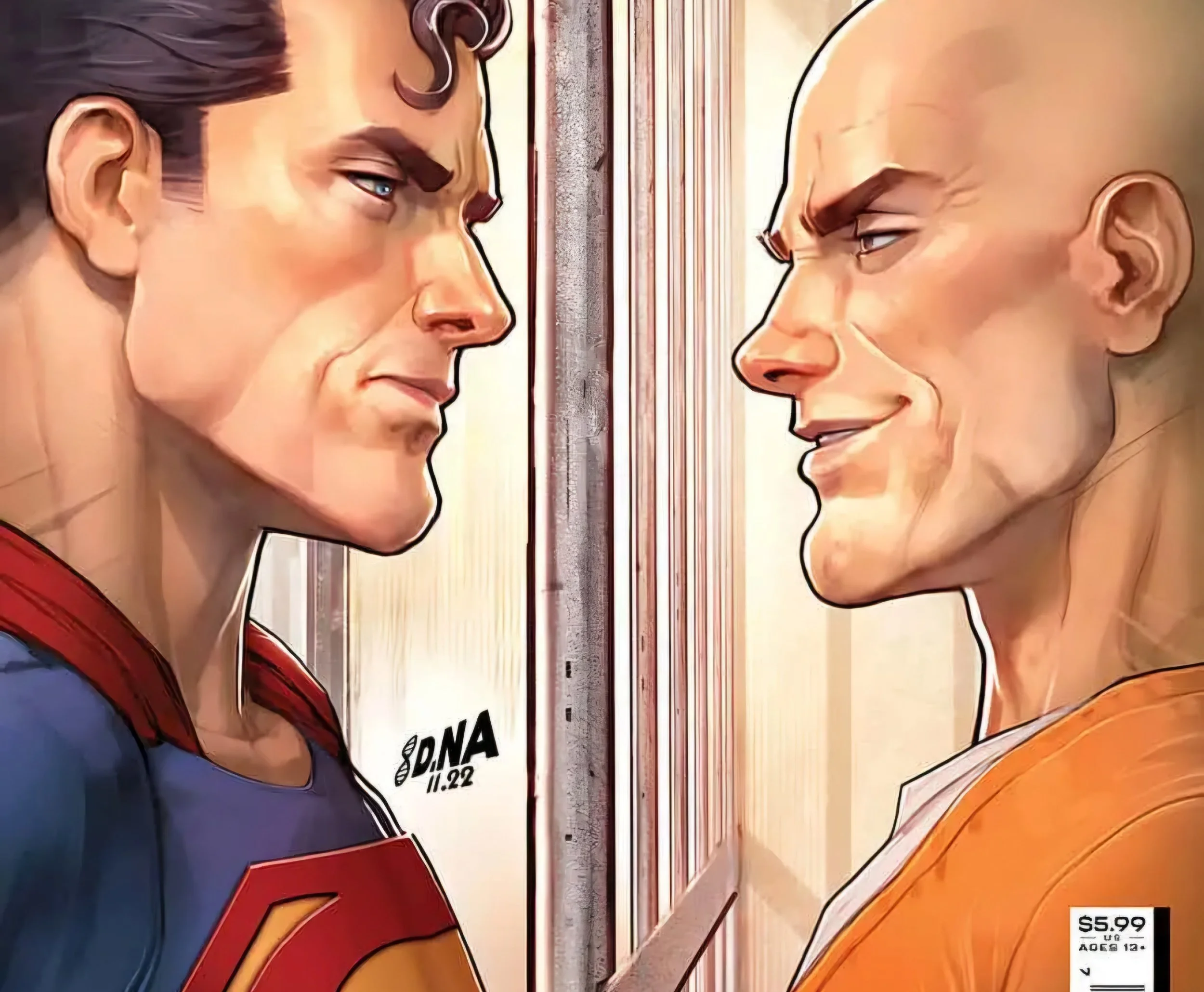
A recent comic book story from Superman #9 provides a distilled analysis of this philosophical dynamic. When Luthor, now in prison, provides Superman with a battlesuit he designed, he is infuriated when Superman makes adjustments to the technology. Luthor, a man defined by greed and a desire to impose his will on the world, built a tool of aggression, a "tank" designed to destroy his enemies. Superman, defined by generosity and his love for humanity, immediately refits it to be a tool of protection, an "ambulance" to save lives. Luthor’s perfect insult, "I built you a tank, and you turned it into an ambulance," perfectly encapsulates their core philosophical difference. It demonstrates that the battlesuit is not a neutral piece of technology; its very design and use are expressions of its user’s moral and ethical worldview, highlighting the fundamental divide between Luthor's destructive ambition and Superman's selfless heroism.  


Part Four: The Legacy on Screen

The history of live-action Lex Luthor has been conspicuously devoid of the battlesuit. From Gene Hackman's brilliant but pre-suit portrayal to Jesse Eisenberg's more recent turn, who used a proxy in the form of Doomsday, the physical manifestation of Luthor’s power has been absent. This has long been a point of contention and a source of desire among comic book fans. The battlesuit represents the ultimate confrontation, a physical showdown between the world’s most powerful alien and its most intelligent human.  

James Gunn's image, therefore, is a powerful statement. The use of the classic comic book design signals a deliberate move toward a more traditional, confrontational rivalry. It promises to allow Nicholas Hoult's Luthor to step out from the shadows of his corporate facade and meet David Corenswet's Superman on his own, albeit manufactured, terms. The warsuit’s long-awaited arrival on the big screen is poised to finally bring the full, unvarnished rivalry of two giants to life, a dynamic that has been a hallmark of the comics for decades

Unlikely Allies: Why a Superman and Lex Luthor Team-Up Might Be The Most Exciting Part of "Man of Tomorrow"

MoviesGeorge SerranoComment

The announcement of James Gunn's new DC film, "Man of Tomorrow," has sent a charge of anticipation through the world of superhero cinema. While a new Superman movie is thrilling on its own, the subtle hint of a potential team-up between the Man of Steel and his greatest enemy, Lex Luthor, is what truly sets this project apart. This isn't just a bold new direction for the cinematic universe; it's a deep dive into one of the most complex and fascinating rivalries in all of fiction.

For those who see Superman and Lex Luthor as eternal enemies, it may come as a surprise that their history is filled with moments of reluctant alliance. These instances, found across decades of comics, animated shows, and even video games, are not just rare occurrences. They are pivotal stories that reveal new facets of both characters, often under the direst of circumstances. A shared, universe-threatening foe is often the only thing that can force them to set aside their animosity for a greater good, or at least for Luthor's own self-serving interests. Let's explore some of the most prominent examples that could inspire "Man of Tomorrow."


When Worlds Collide: The First Iconic Team-Up

In one of the earliest instances of a genuine truce, Superman #164 (1963), by writers Jerry Siegel and Edmond Hamilton, a drought-ridden alien world faces destruction. Desperate, its people seek out the "two greatest minds on Earth," bringing Superman and Lex Luthor to their dying planet. Recognizing that only their combined abilities can save the world, the two arch-enemies agree to a truce. Luthor, using his scientific genius, works with Superman's immense power to reverse the planet's fate. This tale established a template for future team-ups, proving that even the most bitter enemies could find common ground.


A Fading Sun and A Final Act of Heroism: The Final Night

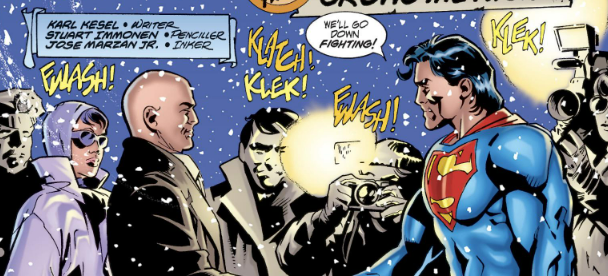
In the 1996 crossover event The Final Night, written by Karl Kesel, a mysterious alien known as the Sun-Eater arrives and begins to devour Earth's sun, plunging the planet into a perpetual winter. With Superman's powers fading and humanity facing extinction, Lex Luthor, ever the pragmatist, puts his ego aside for a final, desperate attempt to save the world. He offers his technology to the heroes, building devices and working with a weakened Superman. His assistance is essential in the plan to defeat the Sun-Eater, but his motivations are rooted in his belief that if the world is to be saved, it should be because of his genius, not just Superman's.


United Against Universal Annihilation: Our Worlds at War

When the cosmic conqueror Imperiex, a being of pure entropy, begins destroying planets on a collision course with Earth in the 2001 crossover event Our Worlds at War, a massive creative team including writers Jeph Loeb and Joe Casey chronicled the battle. In this crisis, President Lex Luthor finds himself in the unthinkable position of having to work with Superman, the Justice League, and even Darkseid to defend the planet. Luthor's strategic brilliance is put to the test as he coordinates a global military response, showcasing his unwavering belief that he, and only he, can truly lead humanity to victory against a threat that dwarfs his rivalry with Superman.


Lex Luthor, Justice Leaguer?! The New 52 Era

Following the events of the Forever Evil storyline, Lex Luthor makes the shocking move of joining the Justice League in the Justice League comic series (2013-2016), primarily written by Geoff Johns. This prolonged and uneasy alliance forces the team to accept one of their most dangerous enemies into their ranks. The arc explores the constant tension and mistrust between Luthor and his new teammates, particularly Superman, as Luthor tries to prove he can be a hero while the League questions his every move. This period offers a deep and fascinating look into Luthor's psyche as he grapples with what it means to be a "hero."


A Common Foe, A Desperate Alliance: Doomsday Returns

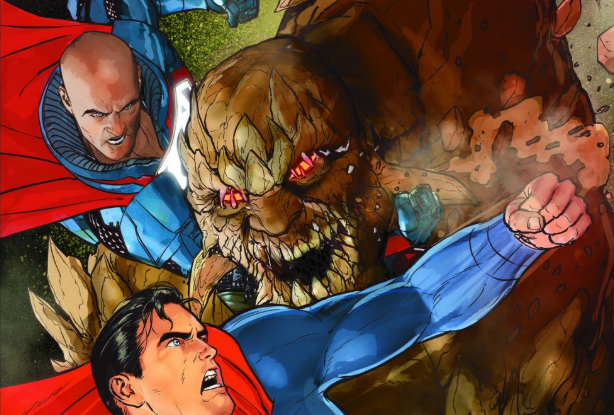
In Action Comics #958 (2016), written by Dan Jurgens, the monstrous Doomsday returns to Metropolis, forcing an uneasy alliance between the newly returned pre-Flashpoint Superman and the New 52's Lex Luthor, who is now operating as a hero. Luthor, wearing a suit with the "S" shield to honor the New 52 Superman, finds himself fighting alongside the man he has always viewed as his greatest obstacle. The two put their differences aside to face the common threat, with Luthor's strategic mind and technology working in tandem with Superman's raw power.


Trapped in a Dreamscape: Justice League Unlimited

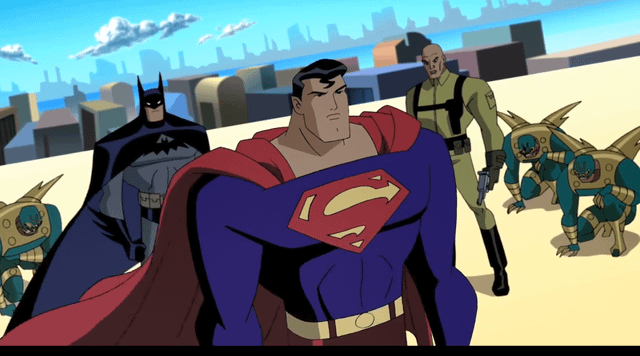
Even in the animated series Justice League Unlimited, the two were forced to work together. In the series finale, Destroyer (2006), written by Dwayne McDuffie and directed by James Tucker, the entire Justice League, along with the Legion of Doom, must unite to fight against the cosmic tyrant Darkseid. The focus of the episode hones in on the ultimate conflict as Superman, Lex Luthor, and Batman face Darkseid in a final, climactic confrontation. This ultimate team-up sees Luthor give up his life's work to save humanity, and even though he has his own twisted motivations, he ultimately stands alongside Superman to face a power greater than both of them.


A potential Superman and Lex Luthor alliance in "Man of Tomorrow" would be a game changer, offering an unpredictable dynamic that can lead to captivating character development. It acknowledges the rich history of their relationship and opens the door for a truly modern and deeply engaging take on the Superman mythos.

Which of these iconic alliances do you hope to see influence the film's storyline?